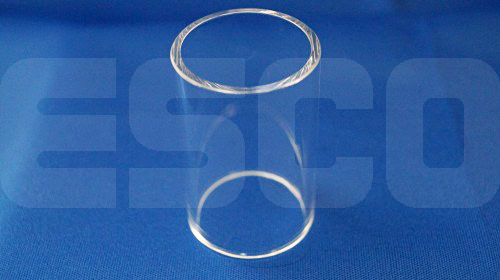










High-Frequency Heating Thermal Desorption Spectrometer ESCO-TDS1700 IH
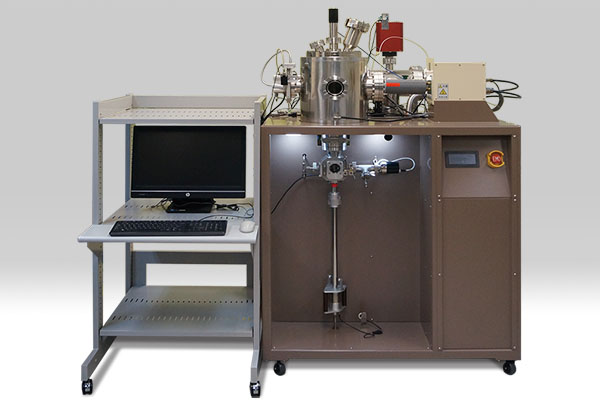 High-Frequency Heating Thermal Desorption Analyzer ESCO-TDS1700 IH
Features
The High-Frequency Heating-Type Temperature-Programmed Desorption Analyzer ESCO-TDS1700 IH is an analytical instrument that uses a quadrupole mass spectrometer (QMS) to observe in real time the molecules desorbed when a sample is programmatically heated via electromagnetic induction in an ultra-high vacuum environment (10–7Pa or lower).
Because the system operates in an ultra-high vacuum environment, it enables highly sensitive detection of desorbed components under ideal conditions where the effects of secondary reactions*1 are minimized.
It allows for efficient heating of metal materials such as steel and can perform measurements at temperatures exceeding 1700°C.
It is also capable of low-temperature TDS measurements of diffusible hydrogen in steel, which is a factor in hydrogen embrittlement (delayed fracture) of steel materials.
The instrument is automatically controlled by a PLC (Programmable Logic Controller) and features a touch panel interface.
*1 = Refers to reactions occurring between the heated sample and atmospheric components during measurement, or between components desorbed from the sample and atmospheric components.
【References】
●Manabu Kitahara, et al. Evaluation of corrosion rate and diffusible hydrogen in high-tensile steel plates subjected to stress in a corrosive environment. Zairyo-to-Kankyo, 2018, 67.4: 172-178.
●HANADA, Chihiro, et al. Suppression of bubble formation in levitated molten samples of Ti6Al4V with TiC for Hetero-3D at the
International Space Station (ISS). International Journal of Microgravity Science and Application, 2023, 40.3: 400301.

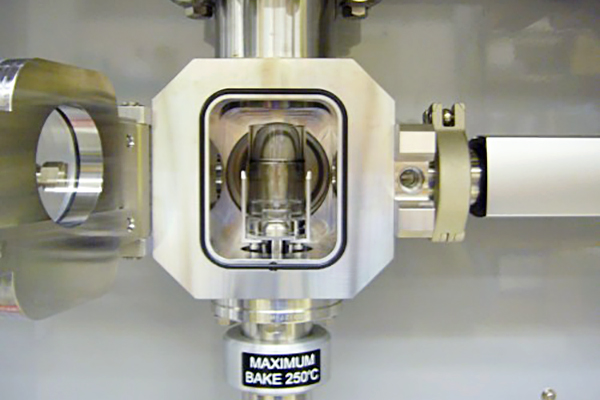 Loadlock Chamber Equipment
Load-lock chamber equipped
A load-lock chamber is essential for improving measurement efficiency (high throughput) and sensitivity. Our load-lock chamber and sample transfer mechanism allow only the sample to be quickly introduced into the ultra-high vacuum analysis chamber.
Without a load lock chamber, the analysis chamber must be vented to atmosphere every time a sample is exchanged. Once vented, a large amount of atmospheric components (especially moisture) are adsorbed inside the analysis chamber, requiring a long time to evacuate them completely.
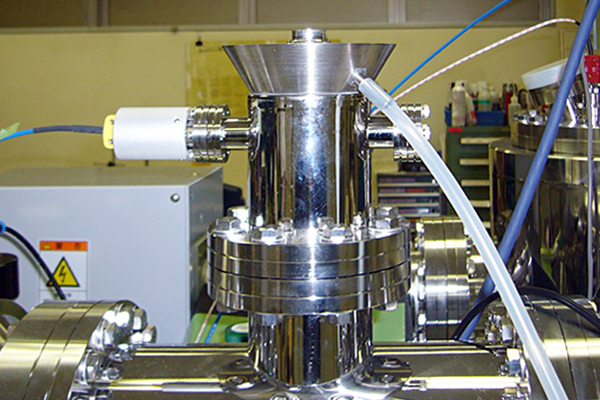 Cold Trap (Optional)
Low-Temperature TDS Measurement of Diffusible Hydrogen in Steel
Since measurements can be performed on cooled steel specimens, diffusive hydrogen in BCC steel—which has a high hydrogen diffusion coefficient—can be quantified with high precision without allowing it to escape.
Frost adheres to cooled steel specimens, and the desorption of this frost affects the hydrogen signal, leading to errors in the measured diffusive hydrogen content (increasing uncertainty). The ESCO-TDS1700 IH’s cold trap (optional) minimizes the impact of frost by trapping it, enabling the acquisition of diffusion hydrogen desorption spectra with minimal distortion.
Quantification of Desorbed Gases
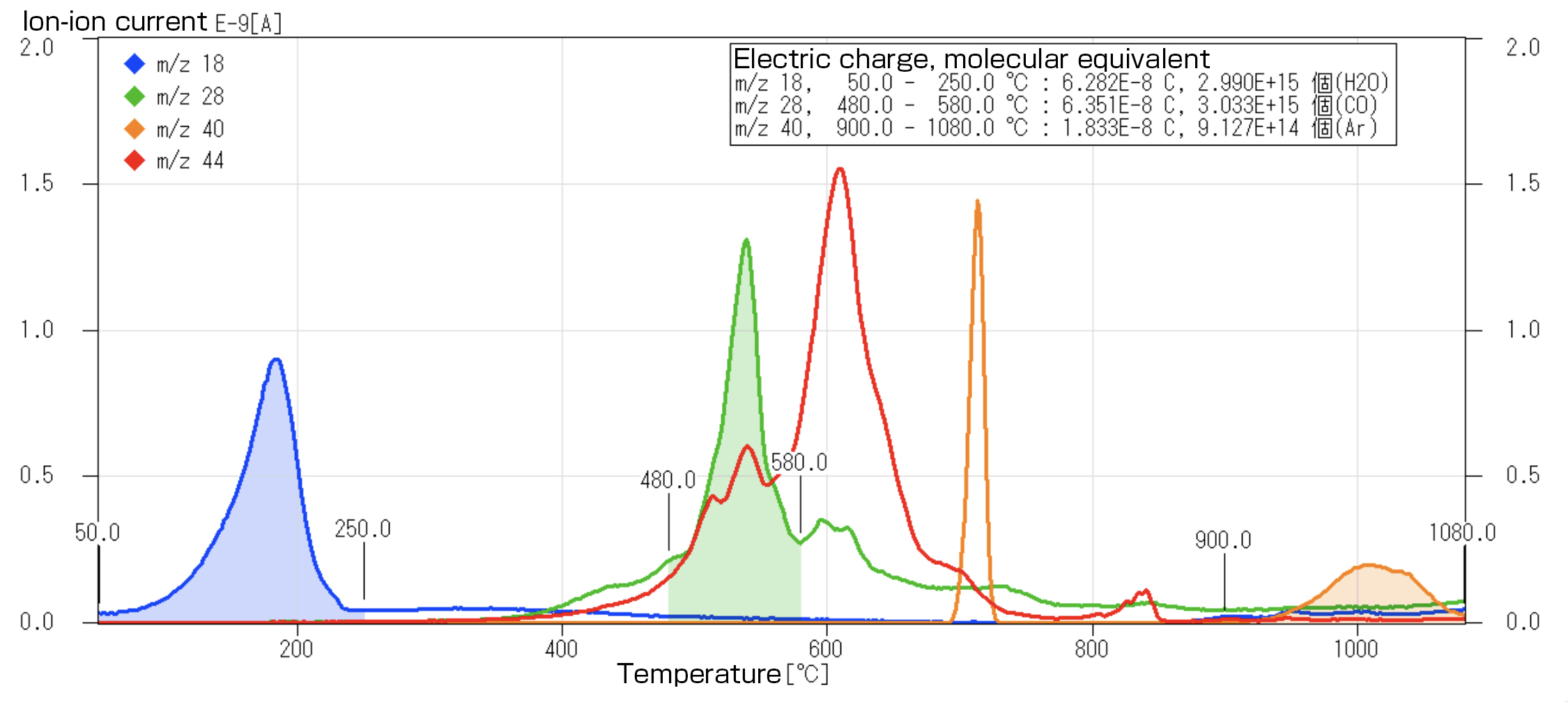
Quantification of desorbed gases is possible using the data processing program. To quantify desorbed gases, the sensitivity of the mass spectrometer must be calibrated periodically.
Sensitivity calibration using standard leaks requires preparing the same number of expensive standard leaks as there are gas types, and the calibration process is time-consuming. Furthermore, when using standard leaks for toxic gases, strict safety and health management is required.
Our current quantification program allows for the rapid, simple, and safe quantification of desorbed gases compared to the standard leak calibration method. Simply by periodically measuring our NIST-traceable hydrogen standard samples, you can obtain highly accurate results. The sensitivity correction method we developed can correct sensitivity for gases other than hydrogen, and it has been confirmed to agree well with quantification results calibrated using standard leaks based on the National Standards of the National Institute of Advanced Industrial Science and Technology (AIST).
[References]
●Norio Hirashita; Mari Urano; Hajime Yoshida. Gas emission measurement in the field of analysis. Journal of the Vacuum Society of Japan, 2014, 57.6: 214-218.
Technical Explanation / Thermal Desorption Method
This is reference material regarding the desorption models used in thermal desorption analysis and methods for calculating activation energy.

*A PDF file will open.
Technical Explanation / Quantitative Analysis (Quantification Using a Thermal Desorption Analyzer)
This document is based on the report by Hirashita and Uchiyama in Analytical Chemistry: “N. Hirashita and T. Uchiyama, BUNSEKI KAGAKU, 43, 757 (1994).”
The desorption gas can be quantified from the thermal desorption spectrum measured using a thermal desorption analyzer.
When the exhaust rate of the measurement chamber is sufficiently greater than the pressure change in the chamber caused by the desorbed gas, the change in the partial pressure of the desorbed gas is proportional to the amount of desorption per unit time (desorption rate).
Since the ion current and partial pressure are proportional in a mass spectrometer, the ion current is ultimately proportional to the desorption rate, and the total amount of desorption can be calculated from the area intensity obtained by integrating the ion current.
By determining the proportionality constant between area intensity and desorption rate using a Si sample into which a known amount of H+ has been injected, the amount of hydrogen desorbed can be determined from the area intensity at m/z 2 for various samples.
Furthermore, for molecules other than hydrogen, the proportionality constant for the target molecule can be calculated based on parameters such as the ionization difficulty, fragmentation factor, and transmission rate of both hydrogen and the target molecule. Using this proportionality constant, it is also possible to quantify molecules other than hydrogen.

IH-TDS1700 High-Frequency Heating Temperature-Programmed Desorption Analyzer [Option]
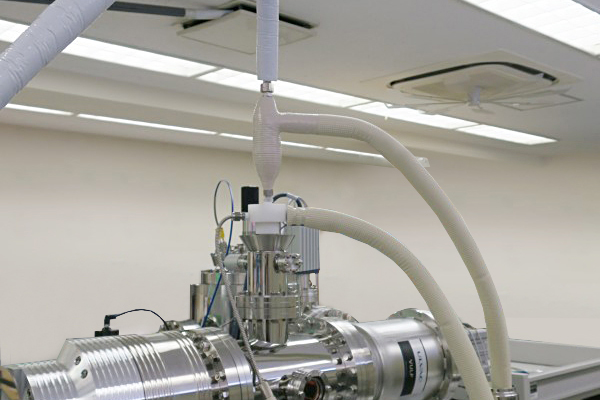 Automatic Liquid Nitrogen Supply System
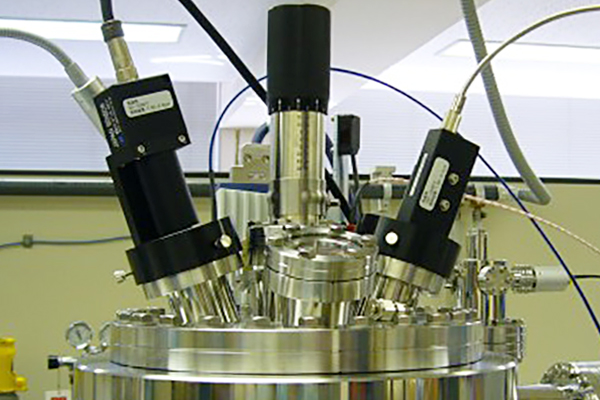 Radiation Thermometer
Specialized Options
Convenient specialized options: the automatic liquid nitrogen supply unit and the radiation thermometer.
Consumables
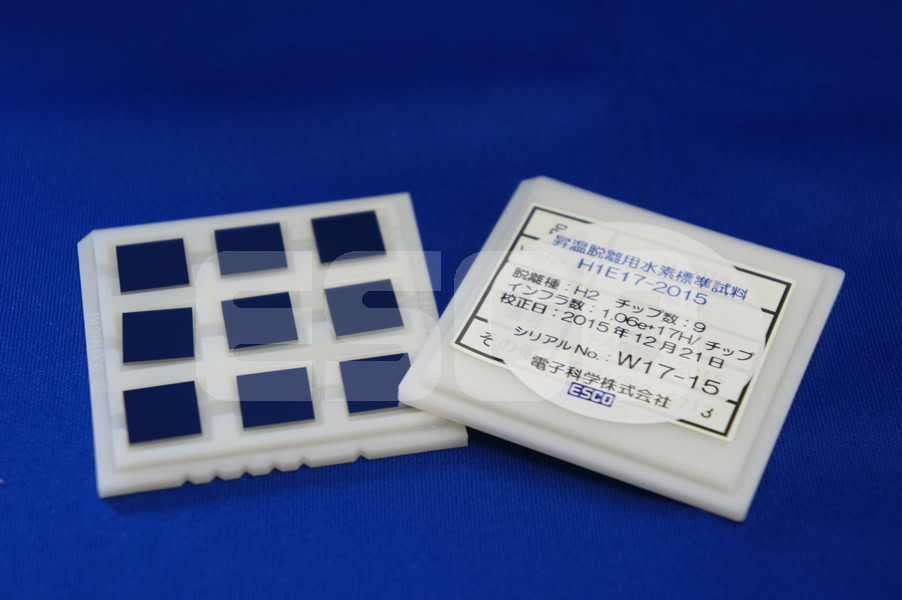
| Standard Samples | ⇒Hydrogen Ion Injection Standard Sample |
||||
|---|---|---|---|---|---|
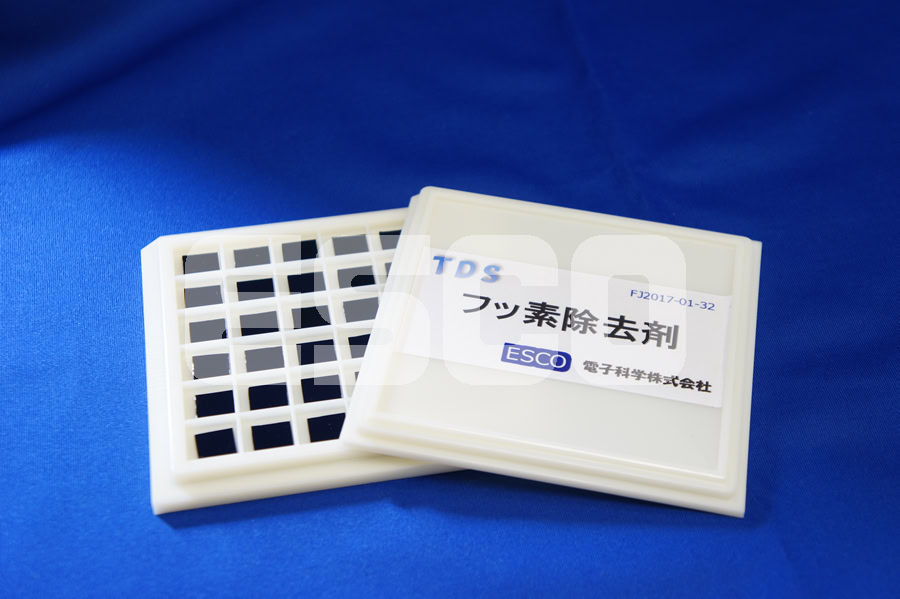
| F Remover | ⇒F Remover | ||||
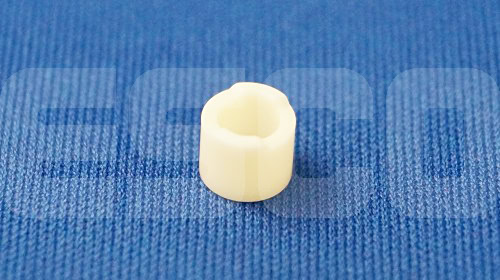
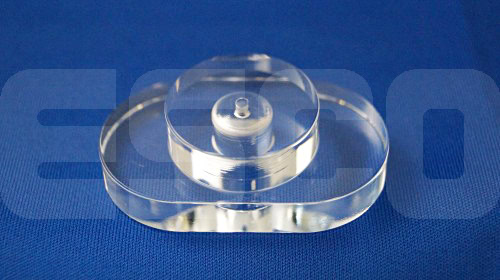
| Heating Items | ⇒Alumina Crucible | ⇒Tungsten Holder |
⇒Holder Base | ⇒Quartz Tube A (Medium) | ⇒Quartz Tube A (Long) |