










[Under Development] ESCO-TDS-100 Cryo H2 Diffusible Hydrogen Analyzer for Low-Temperature Steel
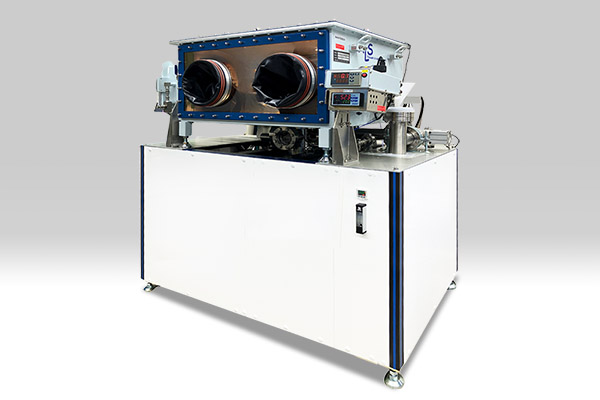 Low-Temperature Diffusible Hydrogen Analyzer for Steel ESCO-TDS-100 Cryo H2
Low-Temperature TDS (L-TDS): Getting to the heart of hydrogen embrittlement and delayed fracture.
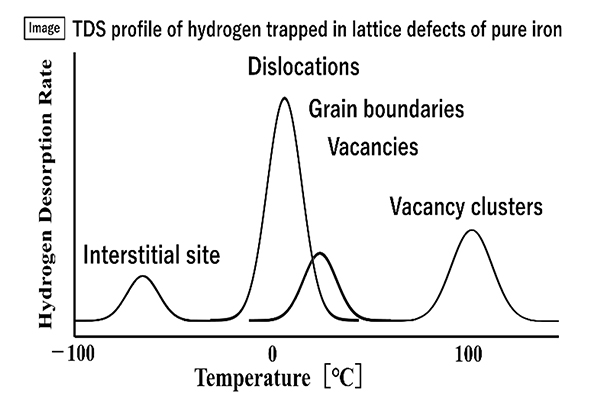
In the “hydrogen embrittlement (delayed fracture)” of high-strength steel, hydrogen trapped in lattice defects (dislocations, atomic vacancies, etc.) has been recognized as a key factor, yet has been difficult to analyze.
The ESCO-TDS-100 Cryo H2, currently under development, clearly separates and extracts this hydrogen through precise heating starting from -100°C. Thanks to thorough measures against frost buildup, it reliably captures the “true hydrogen profile,” aiding in the elucidation of the hydrogen embrittlement mechanism.

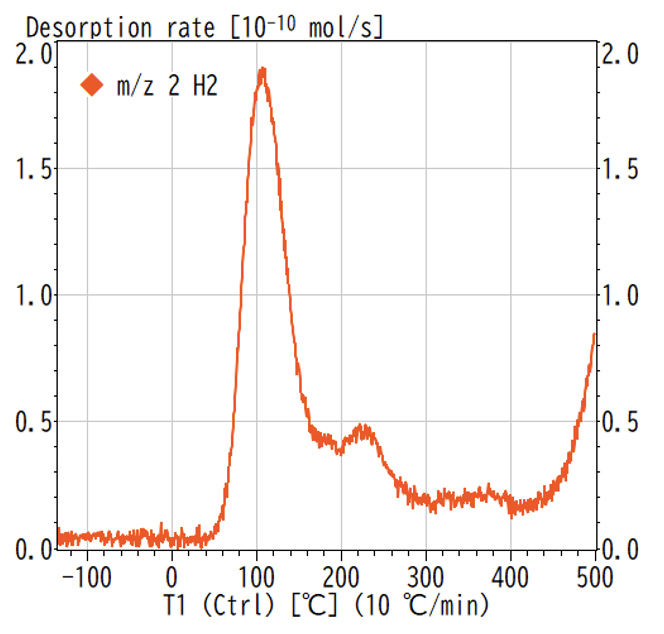
■Measurement Example: Hydrogen
desorption profile of electroplated nickel
This signal was recorded when the sample was cooled with liquid nitrogen immediately after plating and then heated from -135°C to 500°C.
Temperature range: -135°C to 500°C
Heating rate: 10°C/min
Sample: Electroplated nickel/copper substrate, 10×10 mm
